The Kyushu University Museum, Assistant Professor, Yonemoto Shiori
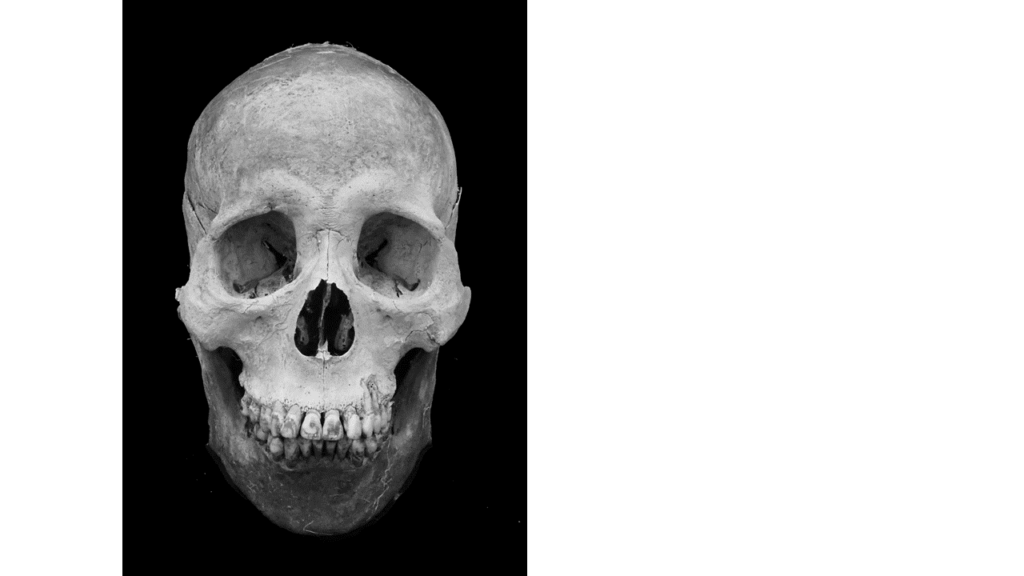
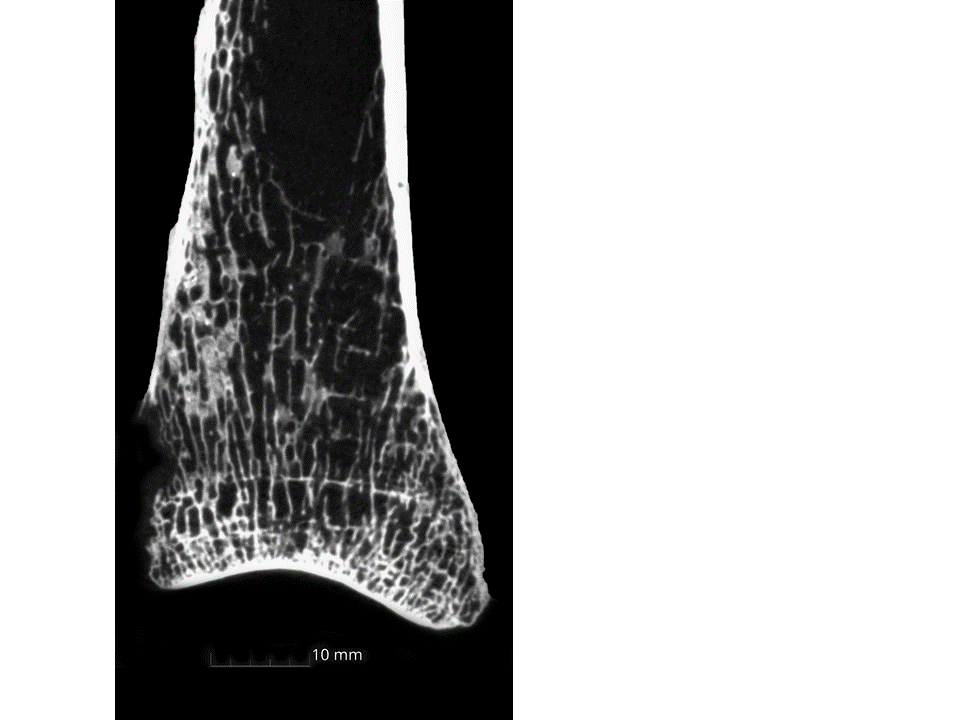
Purpose. In this study, Harris lines, height, and periostitis, indicators of health and nutritional status, were studied on ancient human bones excavated in Fukuoka Prefecture in order to clarify the economic inequalities of the Edo period based on nutrition and health status. This allowed us to examine the poor health conditions that have been described only from studies in Edo city from the point of view of local cities, and to examine how the inequalities in the Edo period affected the health conditions.
Object. We studied human remains excavated from three sites in Onojo City, and a Hakozaki site from Fukuoka city. For the Hakozaki site, the co-researchers and others analyzed the cemetery and examined the burial goods to reconstruct the internal differences.
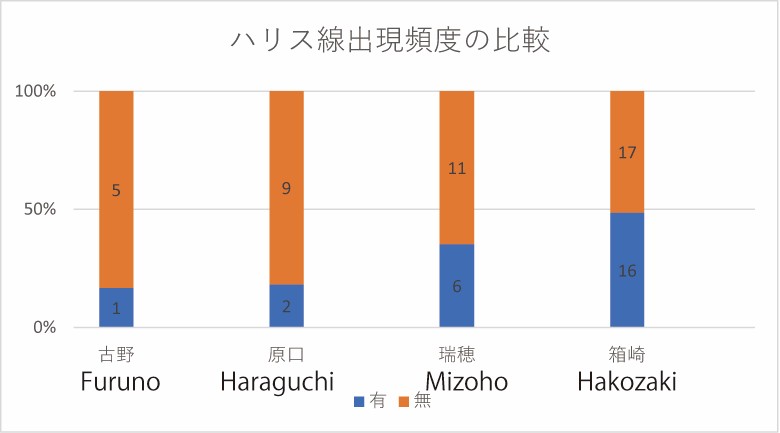
Discussions. The frequency of the Harris line was the lowest among the peasant class for those who belonged to the village headman, and the highest for those buried at the Hakozaki site (Table). As a result of archaeological analysis of the Hakozaki site, special burial goods such as handle mirrors and tin sticks could be confirmed, indicating that the people buried at the site had individuals with unique occupational skills compared to those at other cemetery sites. However, their nutritional condition was worse than that of the Onojo City site, and it was inferred that their living conditions were not as good as those of the general peasantry.
Interdisciplinary research between anthropology and archaeology has revealed differences in the frequency of Harris lines among peasants in the same non-urban area, indicating that the peasantry has become more stratified with the development of a stratified society, and that this may represent the effects due to the impoverishment of the majority of peasants, excluding some upper stratified peasants.
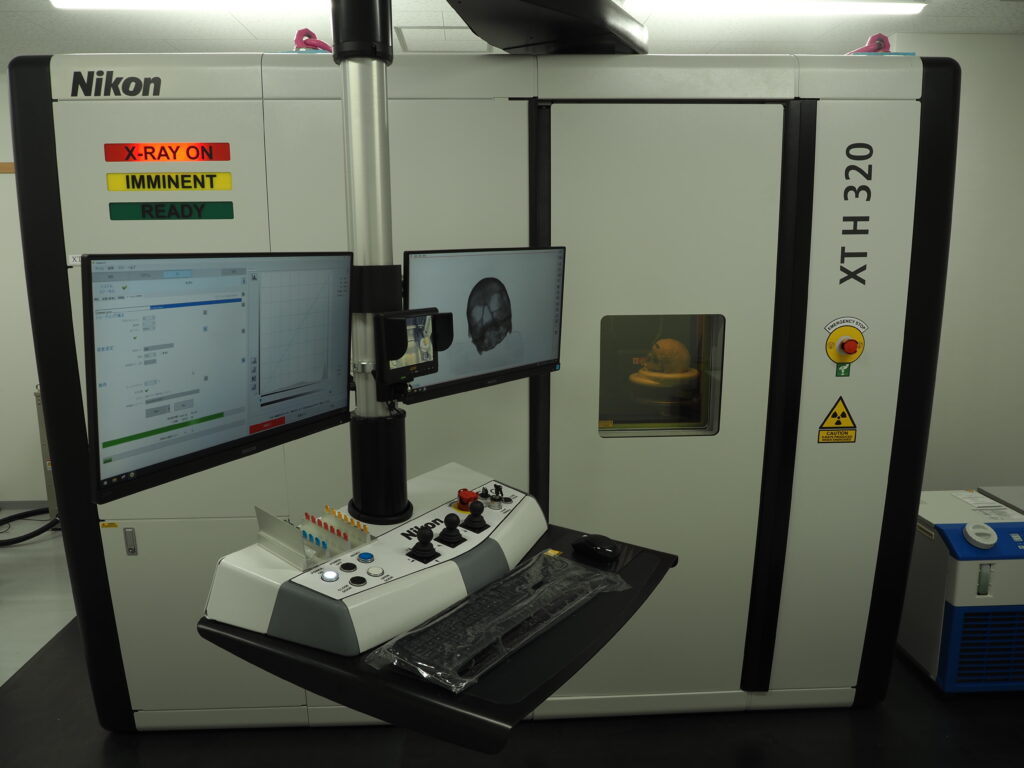
Future plan For further study, we will use CT to observe the human bones excavated from the Harada site in Chikushino City and other Edo period sites in Fukuoka Prefecture, which were not included in the current research plan. In addition, differences in nutrition and health status are likely to be attributable to what they ate, and research on oral bacterial flora using dental calculus is being conducted as a joint research project, which is already in the preliminary examination stage.
Fields
Biological anthropology, Paleopathology, Archaeology
Key words
Edo period (1603-1868 CE) , Harris line, state of health, Inequality
Related Researchers